Archive

Habib: Actions speak louder than words

Dr. Mohammed Habib, Deputy Chairman of Muslim Brotherhood group, has commented to Ikhwanweb on what was written by the author "Frank Gaffney" in the editorial of the Washington Times regarding
Jail, Detention Terms Extended for 7 MB Leaders

The Ministry also kept three MB labor leaders under detention despite the order of their release issued last Wednesday. They are ‘Atef El-Samry, an accountant and member of the Supreme

Swine Flu Panic in Egypt

The authorities had stepped up surveillance measures at airports, ports and terminals to prevent the arrival of the disease using thermal monitors that detect people with high fever, an early

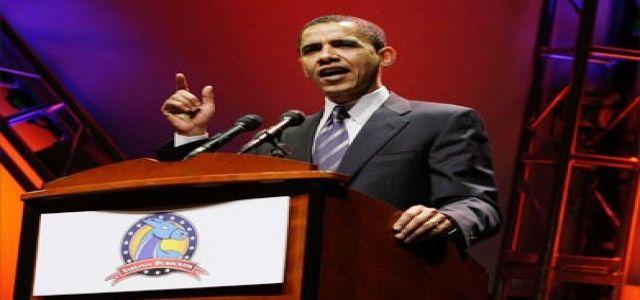
Mishaal discusses Obama’s new language with Carter

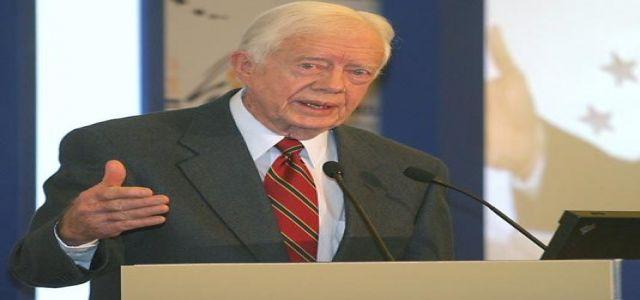
Hamas political bureau chairman Khaled Mishaal is to discuss with former US president Jimmy Carter on Thursday in Damascus the latest speech of US president Barack Obama in Cairo.

How to Improve Relations with the Muslim World – Challenges and Promises Ahead

The election of President Barack Hussein Obama on November 4, 2008, meant perhaps more for the rest of the world than it did for the United States. It signified a

The Three Branches of the AIPAC: The Executive, the Legislative and the Judicial

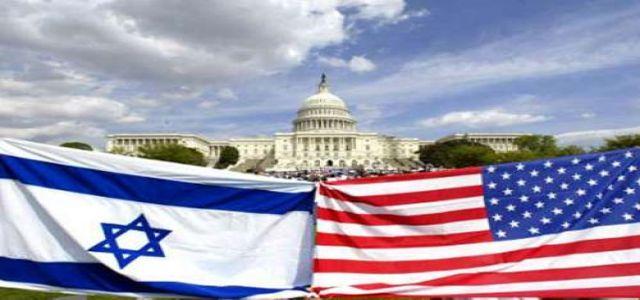
AIPAC’s main influence and domination is in Congress although it certainly impacts all levels of the U.S. Government. Its main concern is U.S. foreign policy vis à vis Israel, the

Islamist policy shift?

In his recent speech in Cairo, President Barack Obama stated that "America respects the right of all peaceful and law-abiding voices to be heard around the world, even if we

Maryam Kallis and Zahour Ahmed Released

The Syrian Human Rights Committee (SHRC) has learnt that the Syrian Authorities have released Maryam Kallis (36 years) and Zahour Ahmed (28 years),

The future of the Middle East

On Thursday 4 June, US President Barack Obama gave a speech at Cairo University in Egypt which was designed to reestablish and renew relations between America and the Muslim world.

The essence of Islamist resistance

Most Western analysts of political Islam make the same mistake. They instinctively assume that conflict with the West has mainly to do with specific foreign policies, particularly of the US