Archive

Future of Freedoms in Egypt

Detentianing thousands of political rivals and journalists, investigating judges, savagely attacking peaceful demonstrations,  and many other incidents.This is the image of freedoms in Egypt today. Despite statements and several promises by
Muslim Brotherhood member Essam El-Erian vs. Neo-conservative thinker Joshua Muravchik

  Muslim Brotherhood member Essam El-Erian vs. Neo-conservative thinker Joshua Muravchik

Egypt’s regime steps up the repression

The Egyptian government, a close ally of the US in the Middle East, last week sent its forces to assault protesters and even judges, writes Simon Assaf Egyptian security forces

Egypt extends emergency law as crackdown on protesters continues

The Egyptian parliament on Sunday extended the country’s emergency laws [EOHR backgrounder] for two more years in order to allow more time for the government to draft anti-terrorism legislation. The

A Sad Day For Egypt

“What happened in the parliament on Sunday, was a mockery by all accounts and a disgraceful day for the government. The Egyptian government committed an act of political terrorism by

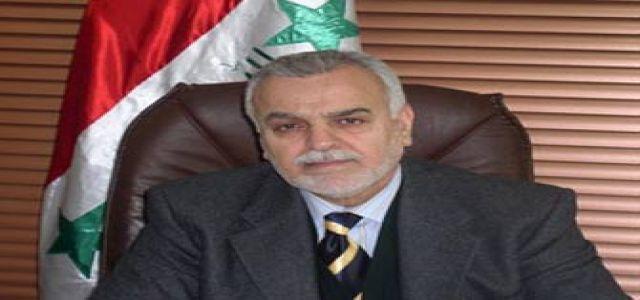
Iraqi Vice President’s Interveiw With Ikhwanweb

The Iraqi situation represents one of the most volatile scenes around the world. After the end of the Gulf War II and the US occupation, all believed that matters would

Unchanging Egypt

By extending emergency laws that were put in place after Anwar Sadat was assassinated in 1981 by Islamist extremists, Egypt’s President Hosni Mubarak has brought the curtain down on a

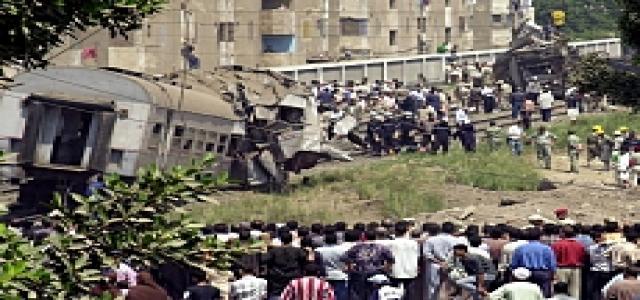
Two trains collided in Belbis and MB holds gov’t responsible

In continuation of the Egyptian government’s deterioration, two trains collided on May 1st, in the city of Belbis in the Sharqiah governorate injuring  more than 30 people.

Two More Years of the Same

In a surprise move, the Egyptian government submitted a request to parliament to extend Emergency laws for another two years despite the national rejection and the pressing demands to end

Talking with terrorists : Part One

Western governments are dependent for information about the region on a set of clients who, as often as not, are mere reflections of what Westerners want the Middle East to