- Palestine
- October 16, 2010
- 5 minutes read
Oxfam: Palestinian olive oil profits affected by settler violence
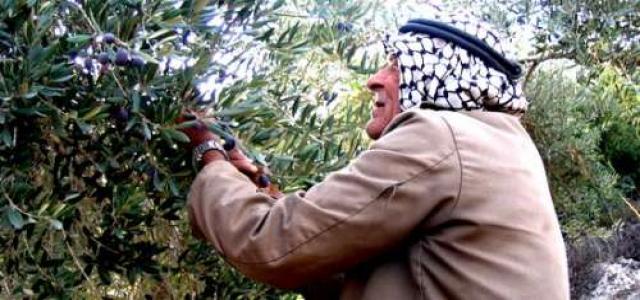
A new Oxfam report highlights that while the olive oil sector generates income and employment in the occupied Palestinian territory (oPt), numerous obstacles ranging from a lack of investment in farming practices to the impact of settler violence – are stifling its true potential.
The report, “The road to olive farming: challenges to developing the economy of olive oil in the West Bank”, highlights how the olive sector, which contributes up to $100 million in yearly income for some of the poorest Palestinian communities, could bring a brighter future for the Palestinian economy, provided its full potential is realized.
The report calls on Israeli authorities to put an end to restrictions of access to land and to markets for Palestinian farmers. Physical barriers such as checkpoints and road blocks prevent the free movement of people and goods within the West Bank and cut Palestinian agricultural produce, including olives and olive oil, off from internal, Israeli and international markets. Due to the presence of numerous Israeli settlements and outposts – which are all illegal under International Law – in the West Bank, settler attacks or harassment against Palestinian olive farmers are common and often increase during the time of the harvest. The Israeli imposed blockade on the Gaza Strip has also affected the import of olives and olive oil from the West Bank considerably.
The report also calls on the Palestinian Authority and on donors to support Palestinian olive oil producers and their families by increasing investment in the sector. A lack of adequate resources and ineffective management, combined with environmental factors and poor production practices have caused stagnation in its development. The report explains how organizing producers into cooperatives and improving farming and olive pressing techniques would help small scale farmers produce a consistent quantity of high quality olive oil that meets requirements of export markets in Europe, the US and Arab countries, as well as maintain a steady supply for the domestic market.
“If the Palestinian Authority, Israel, the international community, donors and NGOs all do their part to invest in olive oil, they will also be investing in a more stable and secure future for the Palestinian people”, says Hobbs.